

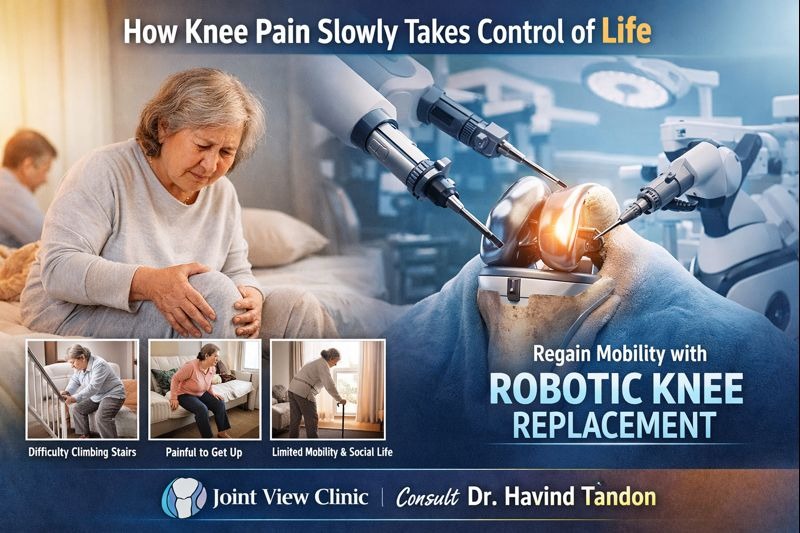
How Knee Pain Gradually Takes Control of Our Life | Top Robotic Knee Replacement Surgeon in Delhi NCR
Knee pain is often underestimated until it begins to interfere with daily life. What starts as mild discomfort during walking or climbing stairs can slowly progress into constant pain, stiffness, and loss of mobility. Because the knee joint is essential for almost every movement, ongoing knee pain can silently take control of routine activities, independence, emotional health, and overall quality of life.
For many people, knee pain does not arrive suddenly—it develops gradually and worsens over time, making it one of the most life-altering musculoskeletal conditions.
Understanding the Impact of Knee Pain and the Importance of a Top Robotic Knee Replacement Surgeon in Delhi NCR
The knee joint supports body weight, absorbs shock, and allows smooth movement. When this joint becomes damaged or inflamed, the entire body’s balance and movement are affected. Advanced treatment approaches like robotic knee replacement focus on restoring alignment, movement, and function when other methods no longer help.
How Knee Pain Affects Every Aspect of Daily Activities
Walking Becomes Painful and Unstable
Walking is one of the first activities affected by knee pain. People may develop a limp, avoid long distances, or require support. Over time, fear of pain can lead to reduced movement, further weakening the muscles around the knee.
Standing for Long Periods Is Difficult
Standing in one place—while cooking, commuting, or working—can cause stiffness and pressure in the knee joint. This limits work efficiency and daily productivity.
Climbing Stairs Feels Exhausting
Stair climbing places extra stress on the knees. Knee pain can make stairs feel unsafe, forcing individuals to avoid multi-level spaces or depend on handrails and support.
Sitting, Bending, and Rising Become Challenging
Simple actions such as getting up from a chair, sitting on the floor, or bending down become slow and painful, affecting independence.
How Knee Pain Slowly Stops an Active Life
Gradual Loss of Mobility
Persistent knee pain reduces joint movement. As activity decreases, muscles weaken and joints become stiffer, creating a cycle that worsens pain and limits motion further.
Emotional and Mental Health Strain
Chronic pain affects mental well-being. Frustration, irritability, anxiety, and feelings of helplessness are common, especially when individuals can no longer perform routine tasks independently.
Reduced Social Interaction
People with knee pain may avoid travel, family functions, outings, or hobbies. This social withdrawal can lead to loneliness and reduced confidence.
Poor Sleep Quality
Pain and stiffness often worsen at night, disrupting sleep. Lack of proper rest leads to fatigue, reduced energy, and decreased ability to cope with pain.
Long-Term Effects of Ignoring Knee Pain
If knee pain is left untreated, it may lead to:
- Permanent joint damage
- Severe stiffness and deformity
- Dependence on pain medications
- Reduced overall physical fitness
- Increased risk of falls
Early recognition and timely management play a crucial role in preventing long-term disability.
When Conservative Treatments Stop Working
In early stages, knee pain may be managed with:
- Lifestyle changes
- Weight management
- Physiotherapy
- Pain-relief medications
However, in advanced stages—especially with severe joint damage—these measures may no longer provide relief, and mobility continues to decline.
How Robotic Knee Replacement Helps Restore Mobility
Robotic knee replacement is an advanced surgical technique designed to improve precision during knee joint replacement. It allows detailed pre-surgical planning and accurate execution during surgery.
Key Advantages of Robotic Knee Replacement
Highly Accurate Implant Placement
Precise alignment helps the knee move more naturally after surgery, reducing strain on surrounding tissues.
Reduced Damage to Healthy Tissue
Greater accuracy helps preserve healthy bone and soft tissue, supporting faster healing.
Improved Stability and Balance
Proper alignment enhances joint stability, making walking and standing more confident.
Faster and Smoother Recovery
Many individuals experience reduced pain, quicker rehabilitation, and earlier return to daily activities.
Better Long-Term Function
Accurate positioning may improve the durability and performance of the replaced knee joint.
Life After Knee Replacement Surgery
With proper rehabilitation and guided physiotherapy, individuals can:
- Walk without constant pain
- Climb stairs with confidence
- Resume household and work activities
- Participate in social and recreational activities
- Regain independence and self-confidence
Recovery is gradual, but consistent rehabilitation plays a vital role in long-term success.
Importance of Rehabilitation and Lifestyle Changes
Post-treatment success depends on:
- Regular physiotherapy
- Strengthening surrounding muscles
- Maintaining healthy body weight
- Staying physically active within recommended limits
These steps help protect the knee and improve overall mobility.
Conclusion
Knee pain is not just a physical condition—it gradually affects mobility, emotional well-being, independence, and quality of life. If left untreated, it can slowly stop an active lifestyle and lead to long-term disability. Advanced solutions such as robotic knee replacement provide an opportunity to restore movement, reduce pain, and regain confidence.
For expert evaluation, advanced knee care, and personalized treatment planning, consultation at Joint View Clinic with Dr. Havind Tandon can help individuals understand their condition and explore appropriate treatment options aimed at restoring mobility and improving overall quality of life.